What is Computer Vision Used For? Exploring Applications in Business
PW
Understanding Computer Vision
Computer vision is a field of artificial intelligence that enables computers to interpret and process visual data from the world. This technology has advanced rapidly, allowing machines to perform tasks that require the understanding of digital images or videos. From facial recognition to autonomous vehicles, computer vision is transforming various industries.
In business, computer vision applications are becoming increasingly prevalent. Companies are leveraging this technology to enhance customer experiences, improve operational efficiency, and gain competitive advantages.

Enhancing Customer Experience
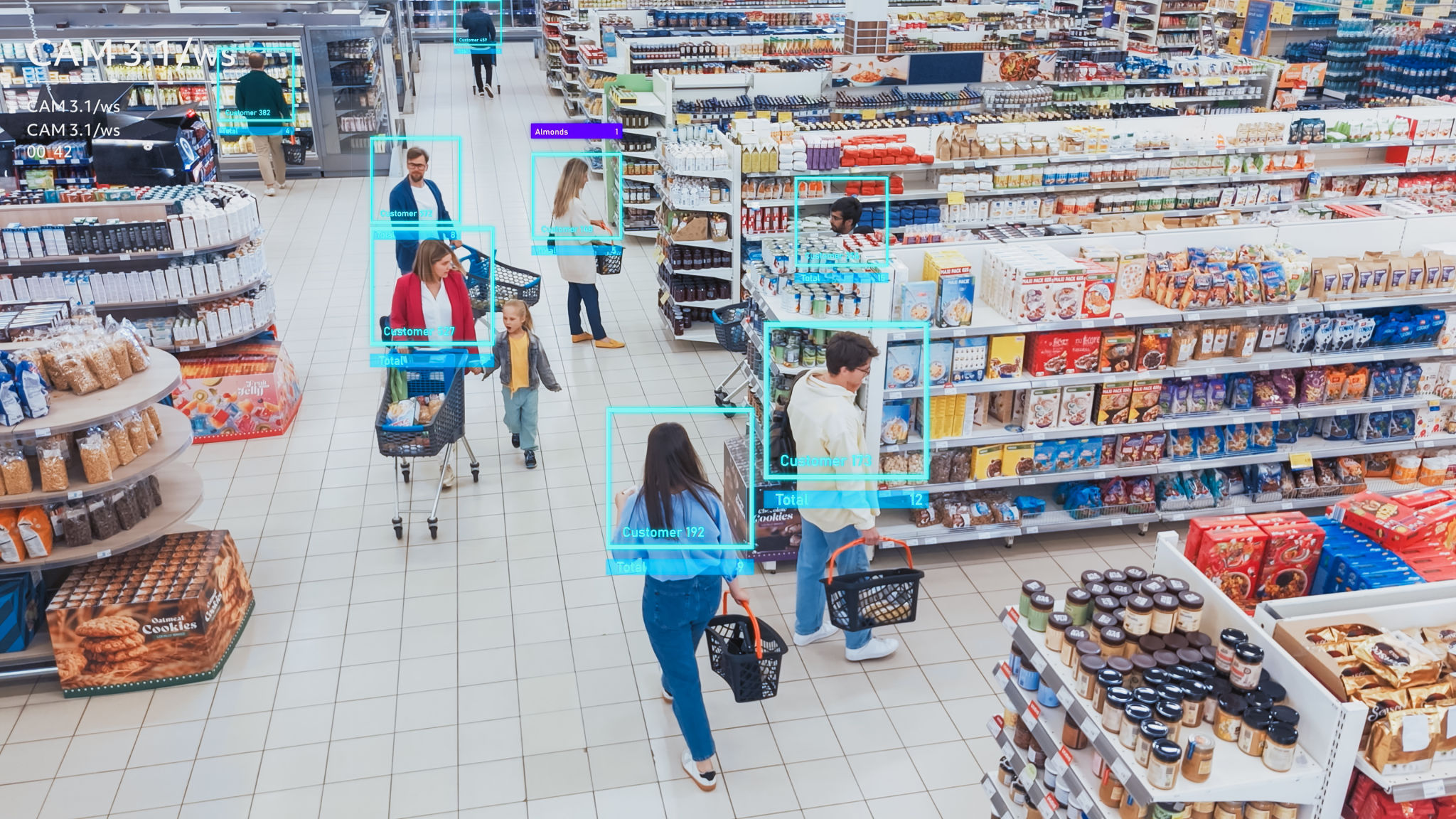
One of the key applications of computer vision in business is in enhancing customer experience. Retailers, for example, are using it to optimize store layouts and manage inventory. By analyzing foot traffic patterns, businesses can redesign store layouts to improve customer flow and product placement.
Moreover, computer vision is used in personalized marketing. By analyzing customer behavior and preferences, businesses can tailor their marketing strategies to deliver more relevant content, products, and promotions. This leads to increased customer satisfaction and loyalty.
Facial Recognition
Facial recognition technology is another crucial application. It is widely used in security systems to identify individuals and grant access to authorized personnel. In retail, facial recognition can help identify repeat customers, allowing staff to provide personalized service.
Improving Operational Efficiency
Beyond customer experience, computer vision is also revolutionizing operational efficiency. In manufacturing, it is used for quality control and defect detection. By analyzing images of products as they move through production lines, companies can identify defects in real-time, reducing waste and improving product quality.
In logistics, computer vision helps in automating the sorting and categorization of packages. This speeds up the delivery process and reduces human error, leading to faster and more accurate shipments.
Inventory Management
Inventory management is another area where computer vision is making a significant impact. Automated systems can track stock levels and reorder products as needed without manual input. This ensures that businesses maintain optimal inventory levels and reduce the risk of stockouts or overstocking.

Innovations in Autonomous Vehicles
Autonomous vehicles are one of the most exciting applications of computer vision. Self-driving cars rely on cameras and sensors to interpret their surroundings and make decisions. These vehicles use computer vision to detect obstacles, read traffic signs, and navigate safely.
This technology is not only applicable to passenger vehicles but also in logistics and delivery services. Autonomous drones and delivery robots are becoming more common, providing efficient and contactless delivery solutions.
Future Prospects
The future of computer vision in business is promising. As technology continues to evolve, we can expect even more innovative applications that will transform industries. From healthcare to agriculture, the potential uses of computer vision are vast and varied.
Businesses that adopt computer vision technology early are likely to gain a significant competitive edge. By staying ahead of the curve, companies can improve their operations, enhance customer experiences, and drive growth.