The Role of AI in Transportation Systems: Innovations and Impacts
PW
Introduction to AI in Transportation
The integration of Artificial Intelligence (AI) into transportation systems is revolutionizing the way we move people and goods. From enhancing safety to optimizing routes, AI technologies are transforming the entire landscape of the transportation industry.
AI's ability to process vast amounts of data quickly and accurately makes it a valuable asset in addressing the challenges faced by modern transportation systems. As cities grow and the demand for efficient transportation increases, AI offers innovative solutions to meet these needs.
AI-Driven Safety Enhancements
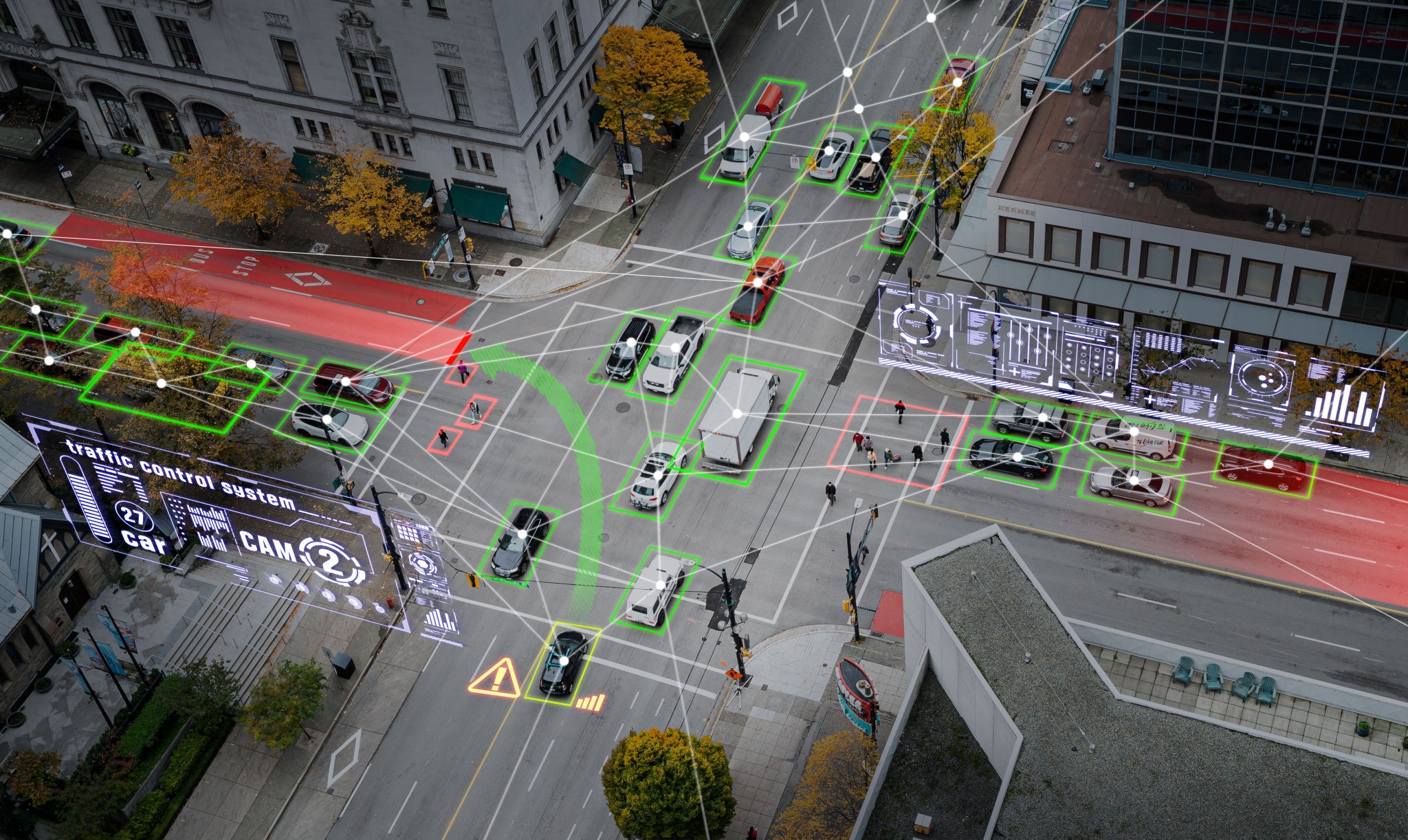
One of the most significant impacts of AI in transportation is its contribution to improving safety. Advanced driver-assistance systems (ADAS), powered by AI, are designed to prevent accidents by assisting drivers with tasks such as lane-keeping, adaptive cruise control, and collision avoidance.
Furthermore, AI technology is crucial in the development of autonomous vehicles. These vehicles rely on AI algorithms to interpret data from sensors and cameras, enabling them to navigate complex environments without human intervention, thereby reducing the risk of human error.
Optimizing Efficiency and Reducing Congestion
AI plays a critical role in optimizing transportation efficiency. Through real-time data analysis, AI systems can predict traffic patterns and suggest alternative routes, helping to alleviate congestion. This not only saves time but also reduces fuel consumption and emissions.
Public transportation systems also benefit from AI by using predictive analytics to manage schedules and capacities. This ensures that buses and trains run on time and are equipped to handle fluctuating passenger demands.

Logistics and Supply Chain Innovations
AI is transforming logistics and supply chain management by streamlining operations and improving decision-making processes. With AI-powered tools, companies can forecast demand more accurately and manage inventory efficiently.
Additionally, AI enhances the tracking and routing of shipments, ensuring that goods are delivered on time. This improved efficiency helps businesses reduce costs and improve customer satisfaction.
Environmental Impacts and Sustainability
AI contributes to more sustainable transportation systems by promoting energy efficiency. Smart traffic management systems can reduce idle times at traffic lights, leading to lower emissions. Electric and hybrid vehicles equipped with AI technology further support environmental goals by optimizing energy consumption.

Challenges and Considerations
Despite the numerous benefits, the integration of AI in transportation also presents challenges. Issues such as data privacy, cybersecurity, and the ethical implications of autonomous decision-making need to be addressed to ensure the responsible use of AI technologies.
Collaboration between industry leaders, policymakers, and technologists is essential to navigate these challenges and maximize the potential of AI in transportation.
Conclusion
AI is undeniably reshaping the transportation industry by enhancing safety, efficiency, and sustainability. As technology continues to evolve, its role in transportation systems will only grow, offering new opportunities and solutions to the challenges of modern mobility.
By embracing these innovations, we can look forward to a future where transportation is safer, more efficient, and environmentally friendly.