AI-Driven Transportation Systems: A Game Changer for Bay Area Commuters
PW
Revolutionizing Bay Area Commutes
In recent years, the Bay Area has witnessed a transformative shift in its transportation landscape, driven by the integration of artificial intelligence (AI). These advancements are not just futuristic fantasies but are actively reshaping how residents commute. From autonomous vehicles to smart public transit systems, AI is the cornerstone of this evolution.
For commuters, this means enhanced efficiency, reduced travel times, and a more environmentally friendly way to navigate the bustling region. As traffic congestion continues to be a pressing issue, AI-driven solutions offer a promising alternative to traditional systems.
Autonomous Vehicles: The Future is Now
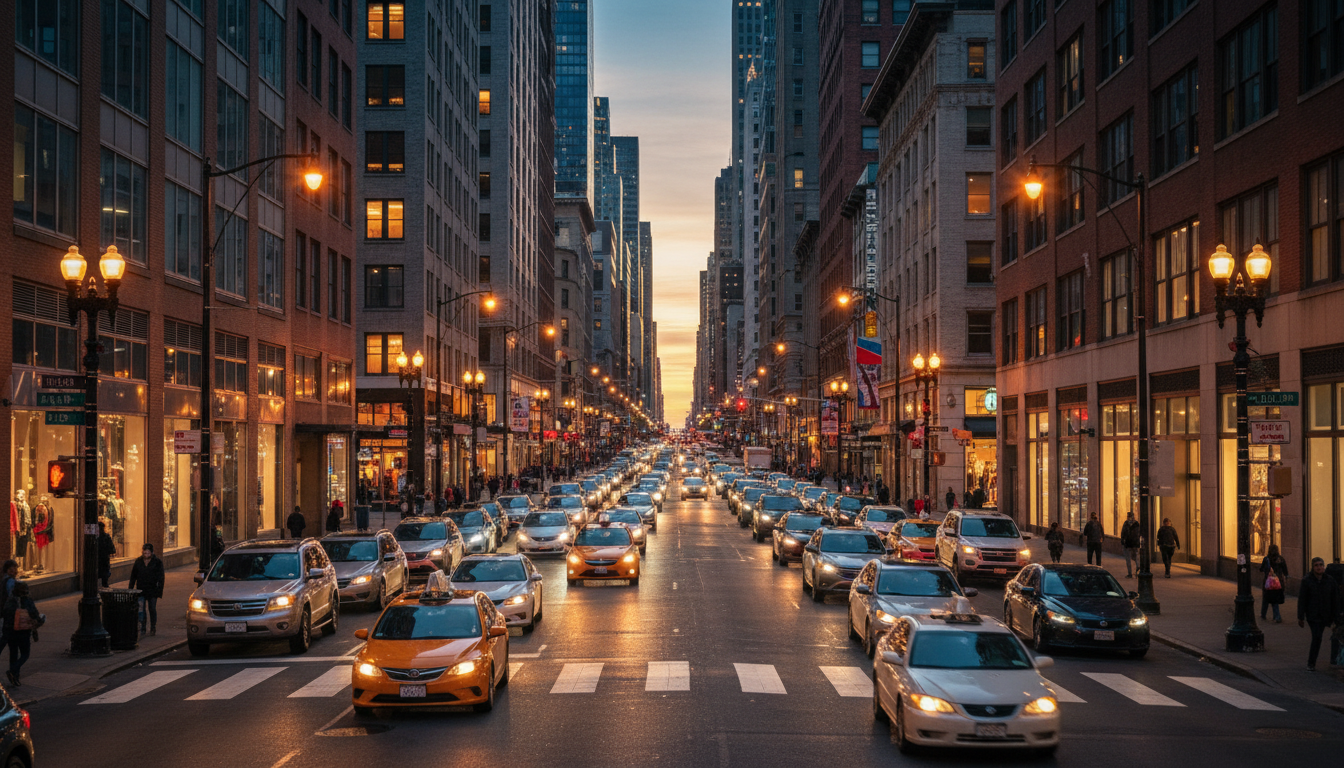
One of the most significant innovations in AI-driven transportation is the development of autonomous vehicles. Companies are testing these vehicles throughout the Bay Area, aiming to minimize human error and improve safety. With advanced sensors and machine learning algorithms, these cars can navigate complex urban environments with ease.
By reducing reliance on human drivers, autonomous vehicles promise fewer accidents and more predictable traffic patterns. This shift could lead to a substantial decrease in commute times, benefiting both individuals and the environment.
Smart Public Transit Systems
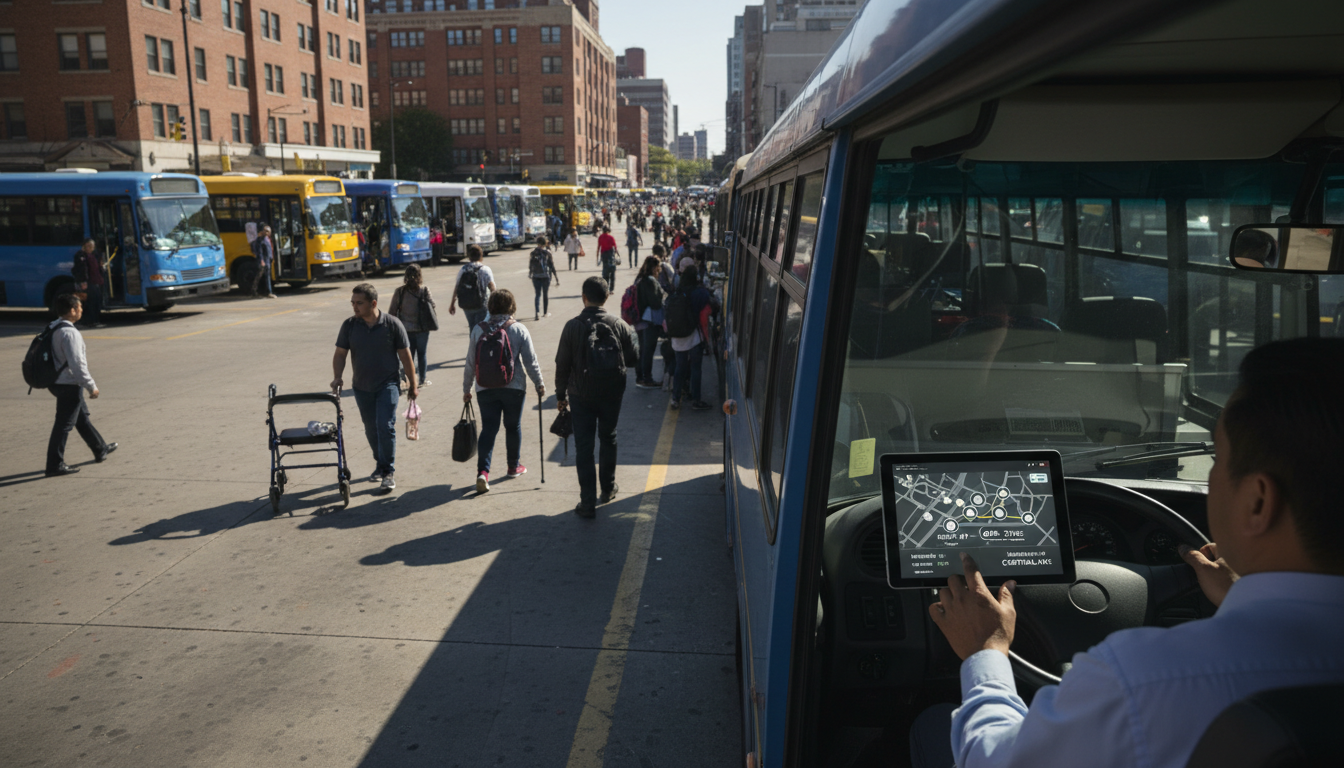
AI is not only revolutionizing personal transportation but also public transit systems. Smart algorithms can analyze vast amounts of data to optimize routes, schedules, and capacities. This means buses and trains can operate more efficiently, reducing wait times and overcrowding.
Furthermore, AI-powered apps provide real-time updates to commuters, allowing them to plan their journeys with precision. This level of convenience and reliability encourages more people to utilize public transportation, easing the overall traffic burden.
Sustainability and Environmental Impact
The environmental benefits of AI-driven transportation are significant. By optimizing traffic flow and reducing idle time, AI helps decrease emissions. Autonomous electric vehicles further contribute to this goal by offering a cleaner alternative to gasoline-powered cars.
In light of growing environmental concerns, these innovations are particularly crucial. They align with the Bay Area's commitment to sustainability and its efforts to reduce carbon footprints.
Challenges and Considerations
While the potential of AI-driven transportation systems is vast, several challenges remain. Privacy concerns, data security, and the need for regulatory frameworks are critical issues that must be addressed. Ensuring that AI systems are transparent and accountable is essential for public trust.
Moreover, the transition to AI-driven systems requires significant investment and infrastructure development. Policymakers and industry leaders must collaborate to overcome these hurdles and ensure equitable access to these technologies.

The Road Ahead
As AI technology continues to evolve, its impact on Bay Area commuters is set to grow. The integration of AI in transportation systems offers a glimpse into a future where commuting is more efficient, safer, and kinder to the planet.
Embracing these changes requires a collective effort from governments, businesses, and residents. By working together, the Bay Area can lead the way in demonstrating how AI can transform urban mobility for the better.