A Comprehensive Guide to Automating Healthcare Tasks with AI
PW
The integration of Artificial Intelligence (AI) into healthcare has revolutionized the way tasks are managed, offering unprecedented efficiency and accuracy. Today, AI is not just a buzzword; it is a vital component in streamlining healthcare operations. From administrative duties to patient care, AI technologies are transforming the landscape.

The Role of AI in Healthcare
AI in healthcare primarily focuses on enhancing operational efficiency and improving patient outcomes. By automating routine tasks, healthcare professionals can devote more time to patient care. This shift not only reduces human error but also accelerates processes, leading to quicker diagnosis and treatment.
Automating Administrative Tasks
One of the most significant impacts of AI is in automating administrative tasks. Scheduling, billing, and inventory management are now more streamlined thanks to AI-powered systems. These systems can handle large volumes of data swiftly, minimizing the risk of errors and delays.
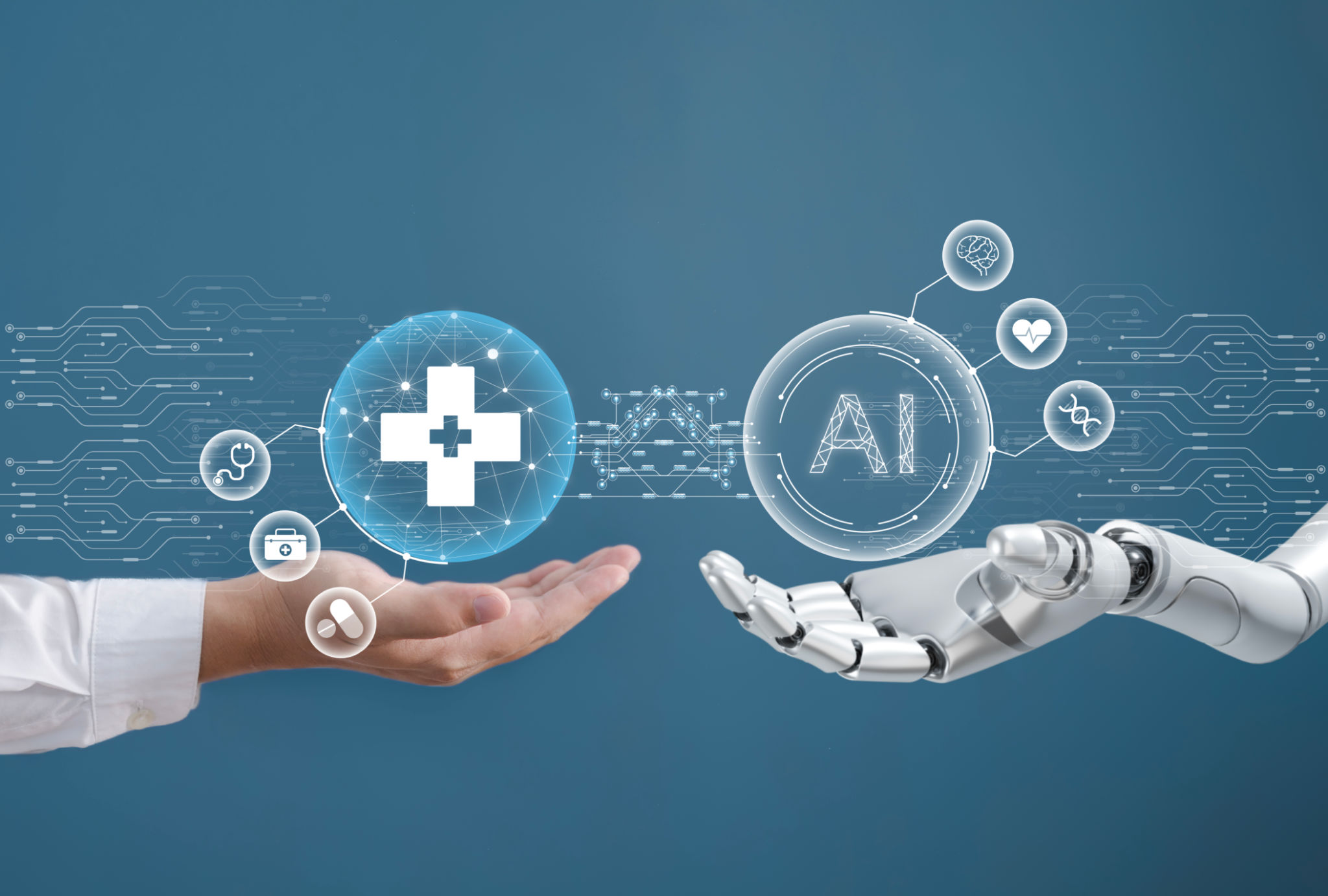
Enhancing Patient Care with AI
AI’s role in patient care is equally transformative. From predictive analytics to personalized treatment plans, AI helps in tailoring healthcare services to individual needs. Machine learning algorithms analyze patient data to predict potential health issues, allowing for early intervention and improved outcomes.
Diagnostic and Imaging Tools
AI has made remarkable strides in diagnostics, especially in medical imaging. Sophisticated algorithms can now interpret X-rays, MRIs, and CT scans with high accuracy, often surpassing human capabilities. This precision not only aids in accurate diagnosis but also speeds up the decision-making process for treatment.

AI in Drug Discovery and Development
AI is accelerating drug discovery and development by analyzing complex datasets to identify potential drug candidates. This process, which traditionally took years, can now be completed in a fraction of the time. AI models sift through vast amounts of research data to predict how different compounds will interact with targets, expediting the journey from lab to market.
Improving Clinical Trials
AI also plays a crucial role in optimizing clinical trials. By identifying suitable candidates and predicting outcomes, AI ensures more efficient trial processes. This efficiency reduces costs and accelerates the approval of new treatments, benefiting both pharmaceutical companies and patients.

Challenges and Ethical Considerations
Despite its advantages, the integration of AI in healthcare poses challenges, particularly in terms of data privacy and ethical considerations. Ensuring patient data is protected and used responsibly is paramount. Moreover, transparency in AI decision-making processes is essential to maintain trust between healthcare providers and patients.
In conclusion, while AI offers numerous benefits in automating healthcare tasks, it is crucial to address these challenges effectively. As AI continues to evolve, its potential to transform healthcare remains immense, promising a future where healthcare is more efficient, accurate, and personalized than ever before.